

Gum Disease Treatment – Los Angeles
A Healthy Foundation for Healthy Teeth

Gum disease is one of the greatest threats to your teeth, and it is much more common than you may think. Nearly half of adults over the age of 30 have some level of gum disease, and this percentage only increases as you age. Gum disease can result in significant, permanent damage and even lead to tooth loss. At Westside Dental Associates, we offer gum disease treatment to help restore your gum tissue and maintain a healthy foundation for healthy teeth. Read on to learn more about gum disease and how we can treat it!
Why Choose Westside Dental Associates for Gum Disease Treatment?
- Dentist with 30+ Years of Experience
- State-of-the-Art Dental Technologies
- Flexible Financing Options
What Is Gum Disease?

Gum disease is an infection of the gums and supportive tissues in the mouth. A lot of the time, it is a result of plaque and tartar buildup due to poor oral hygiene. This can result in permanent gum damage, tooth loss, and other serious health problems. There are two stages of gum disease. Here’s what each one looks like:
- Gingivitis: This is the earliest stage of gum disease. It can usually be reversed by improving your dental hygiene routine at home and seeing your dentist for professional cleanings and dental exams.
- Periodontitis: This is a more advanced stage of gum disease. At this point, it cannot be cured – just managed. However, management is necessary to prevent further infection and serious complications, including tooth loss.
Multiple different factors increase your risk of developing gum disease. The most common ones include smoking, chewing tobacco, poor oral hygiene, genetic factors, immune-compromising conditions, medications, and hormonal changes.
Symptoms of Gum Disease

By keeping a lookout for the symptoms of gum disease, you can recognize when change is necessary.
Gingivitis:
- Halitosis (bad breath)
- Bleeding when brushing and flossing
- Red, inflamed gum tissue
- Gum tenderness
- Recession of the gums
Periodontitis:
- Pain while chewing
- Loose teeth
- Sensitive teeth
- Bite changes
- Tooth loss
How Do We Treat Gum Disease

During your visit with us, we will examine your teeth and soft tissues to determine the best approach for your case. We will also discuss the symptoms you’ve been experiencing in detail. At Westside Dental Associates, we offer scaling and root planing and antibiotic treatment to address gum disease. Here’s what each one consists of.
Antibiotic Treatment

Along with scaling and root planing, antibiotics may be prescribed. This is to help fight against the remaining bacteria in your mouth after your deep cleaning. During your visit with us, we will explain the specifics of the antibiotics chosen for you and any additional instructions necessary for your treatment.
Scaling & Root Planing

Gum disease can often be treated with a two-part deep cleaning that consists of scaling and root planing. Scaling involves getting rid of plaque and tartar around and below the gumline to reduce the level of harmful bacteria in the mouth. Root planing is then performed to smooth out the surfaces of the tooth roots. This helps to encourage the gums to reattach to the teeth. Keep reading below to learn more about this treatment along with helpful tips for aftercare.
Read More Read Less
Do I Need Scaling & Root Planing?
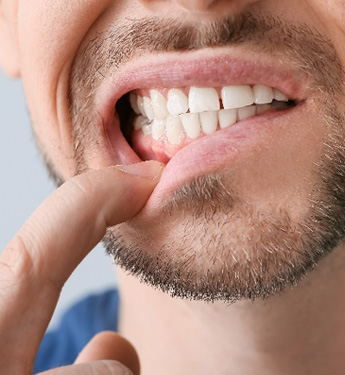
When plaque and bacteria begin building up beneath the gumline, a standard dental cleaning may not be enough to treat the problem. Bleeding, swelling, tenderness, or irritated gums can be signs that gum disease is developing and needs a more targeted approach. Scaling and root planing reaches these deeper areas to remove harmful buildup that regular cleanings can’t reach. The tooth roots are then smoothed to create a cleaner surface where the gums can heal and reattach. Treating these issues early can help control gum disease and keep your gums healthier in the long run.
The Process of Scaling & Root Planing
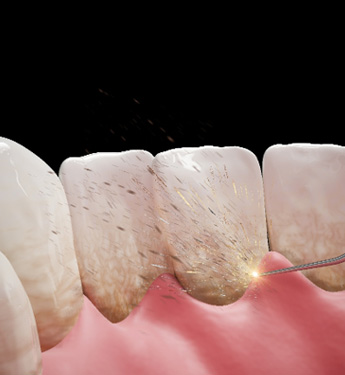
Scaling and root planing is often completed over multiple visits to give your gums time to respond to treatment. During the scaling portion, your dentist carefully removes plaque, tartar, and bacteria from the teeth and along the gumline. Areas below the gums are also cleaned to address buildup that can’t be reached during a routine dental cleaning.
Once the initial portion is complete, the gums are given time to settle before we perform root planing. Your dentist will smooth the exposed root surfaces to remove remaining bacteria and create a healthier environment for the gums to reattach to the teeth. Smoother roots also make it harder for new bacteria and buildup to collect, helping support healthier gums moving forward.
Aftercare Tips for Scaling & Root Planing

It’s common for your gums to feel a little tender or swollen after this procedure. These effects are usually temporary and should gradually improve as your gums recover. To make the healing process more comfortable, keep these tips in mind:
- Eat softer foods for at least 48 hours after your visit
- Gently brush twice a day with a soft-bristled toothbrush and fluoridated toothpaste
- Floss at least once a day
- Rinse with saltwater, especially after meals, to clear away food debris
- Avoid strenuous exercise immediately after your appointment
- Stay away from especially hot, acidic, or spicy foods